

SEMARANG – Department of Information Technology, Universitas Diponegoro held a community service activity entitled “Training on the use of interactive quiz platforms in learning for teachers of SMP Muhammadiyah 2 Semarang”, Monday (21/9/2026). The event was held at SMP Muhammadiyah 2 Semarang, Jalan Kasipah No. 12, Jatingaleh, Candisari District, Semarang City, was attended by 24 teachers.
“Smart Assessment Design: designing creative assessment with generative AI support“ and ”From Question to Game: creating interactive quiz with ZEP Quiz” were designed in two continuous sessions.
The activity began with a speech by the head of the Community Service Team, Dr. Retno Kusumaningrum, S.Si., M.Kom., then continued with the speech of the head of SMP Muhammadiyah 2 Semarang, M. Priyo Utomo, S.Pd.Gr.
In his speech, Retno emphasized that the use of technology in the assessment needs to continue to depart from the learning objectives and competencies to be measured.
“Technology should not be the starting point in designing assessments. Teachers still need to determine in advance what competencies they want to measure. Generative AI and platforms such as ZEP Quiz can then be utilized to help make the assessment process more creative and interesting for students,” Retno said.
Meanwhile, the head of SMP Muhammadiyah 2 Semarang positively welcomed the training as part of efforts to increase the variety of technology-based learning in schools.
In the first session, Retno Kusumaningrum delivered material on the principles of assessment design starting from learning objectives, determination of competencies to be measured, to the use of generative AI as a tool in compiling and developing problems. The teacher is still placed as the party who assesses the suitability of the material, the learning context, and the quality of the resulting assessment.
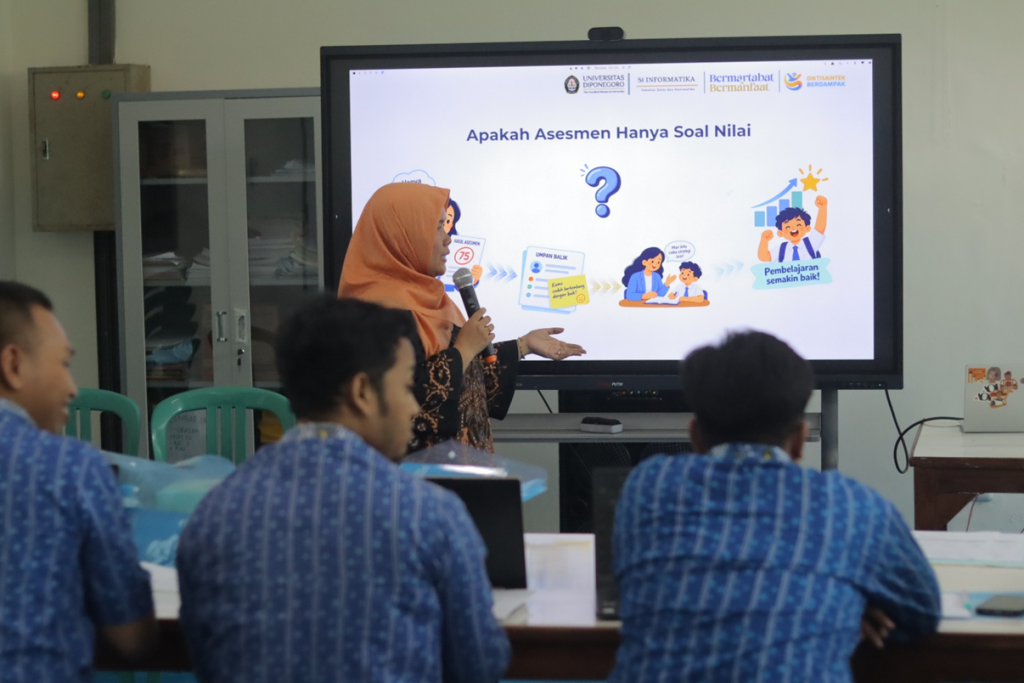
Figure 1. I – Smart Assesment Design session material delivery: designing creative assessment with generative AI support
After understanding the basic principles of preparing the assessment, the participants followed the second session which was hands-on. In the “From Question to Game” session, teachers practice firsthand the use of ZEP Quiz to turn question designs into game-based interactive quizzes.
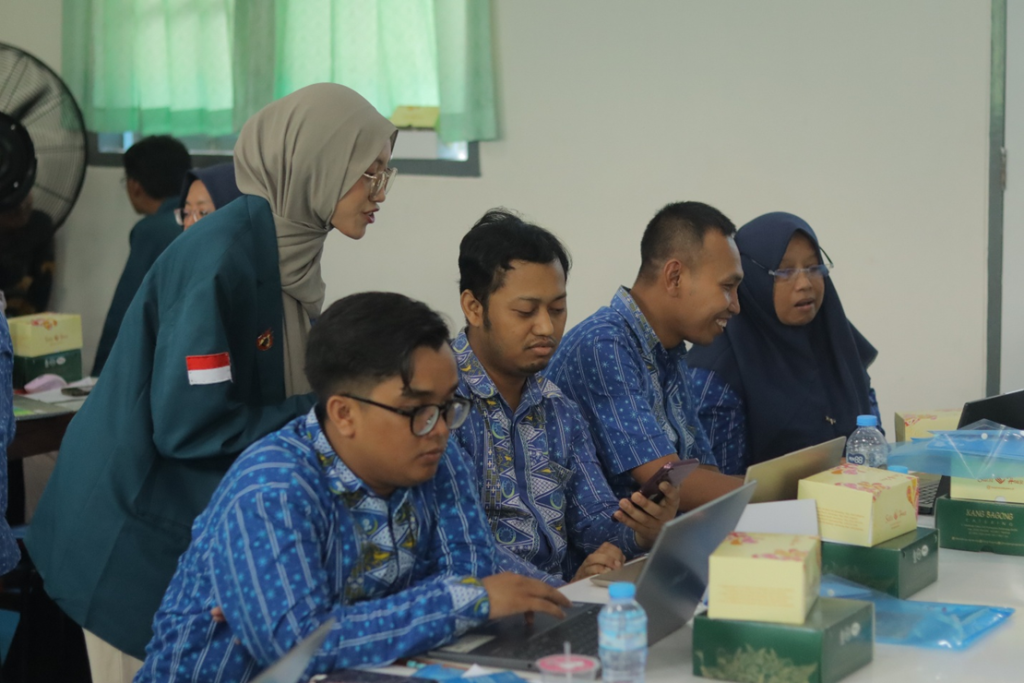
Figure 2. Hands-On activities of trainee teachers in Session II – from Question to Game: create interactive quizzes with ZEP Quiz
Through this practice, participants are not only introduced to the ZEP Quiz feature, but also invited to see how the assessment can be packaged into a more interesting learning activity and actively involve students.
This activity is part of the efforts of the Department of Informatics Diponegoro University to support the use of digital technology in education. Through a combination of assessment design, generative AI, and an interactive quiz platform, teachers are expected to gain new alternatives in developing assessments that are relevant, creative, and in accordance with learning needs.